Cart
0
You may also like


The Significance of Skincare: Beyond Vanity
Why is Skincare Important?
Protection Against External Threats
Skincare serves as a vital shield, forming a barrier between the skin and the harsh elements of the environment. Pollution, including particulate matter, gases, and heavy metals, can accumulate on the skin's surface, leading to oxidative stress and inflammation. Additionally, bacteria and other pathogens present in the environment can exacerbate existing skin conditions or cause infections. By establishing a consistent skincare routine that includes cleansing and moisturizing, individuals can effectively remove pollutants and impurities, preventing them from penetrating the skin's barrier. Furthermore, sunscreen application offers crucial protection against UV radiation, reducing the risk of sunburn, premature aging, and skin cancer.
"If you are unhappy with your skin, do something about it.
If you are happy with your skin, continue as usual.
I will say one thing though, if you don't wear sunscreen on your face on a daily basis, definitely add that! Lots of people harp on it for the wrinkles, but hello, skin cancer is a thing too." S., 35
Prevention of Skin Issues
A well-executed skincare regimen is instrumental in preventing a myriad of common dermatological issues. Regular cleansing helps to remove excess oil, dirt, and dead skin cells, preventing clogged pores and breakouts. Moisturizing, particularly with products tailored to one's skin type, helps to maintain proper hydration levels, preventing dryness and irritation. Moreover, targeted treatments such as serums and spot treatments can address specific concerns like acne, hyperpigmentation, and inflammation. By consistently caring for the skin and addressing its unique needs, individuals can minimize the occurrence of skin issues and maintain a clear, healthy complexion.
"All you need is a bland-ass skincare routine that’s suitable for your skins hydration needs. Cleanser and moisturizer. Sunscreen. That’s it. If you have specific concerns, SEE A DERM!" L., (age not specified)
Hydration and Anti-Aging Benefits
Maintaining adequate hydration is essential for preserving the skin's youthful appearance and function. As the skin ages, its ability to retain moisture diminishes, leading to dryness, fine lines, and wrinkles. Skincare products containing humectants like hyaluronic acid and glycerin draw moisture into the skin, plumping and hydrating it from within. Additionally, antioxidants such as vitamins C and E protect the skin from oxidative damage caused by free radicals, which contribute to premature aging.
"I do think a skincare routine does help. Keeping skin hydrated and protected from the sun can minimize wrinkles." A., (age not specified)
By incorporating hydrating and anti-aging ingredients into their skincare routines, individuals can combat signs of aging and maintain a radiant, youthful complexion.
Promotion of Skin Health
Skincare routines play a crucial role in promoting overall skin health and vitality. Regular cleansing helps to remove impurities and excess oil, preventing congestion and breakouts. Exfoliation, whether through chemical exfoliants like AHAs and BHAs or physical scrubs, aids in removing dead skin cells and promoting cell turnover, resulting in a smoother, more radiant complexion. Additionally, nourishing the skin with vitamins, antioxidants, and other beneficial ingredients helps to fortify its natural barrier function and support its repair and renewal processes. By prioritizing skincare, individuals can address their skin's needs and maintain its health and resilience over time.
Enhancement of Mental Well-being
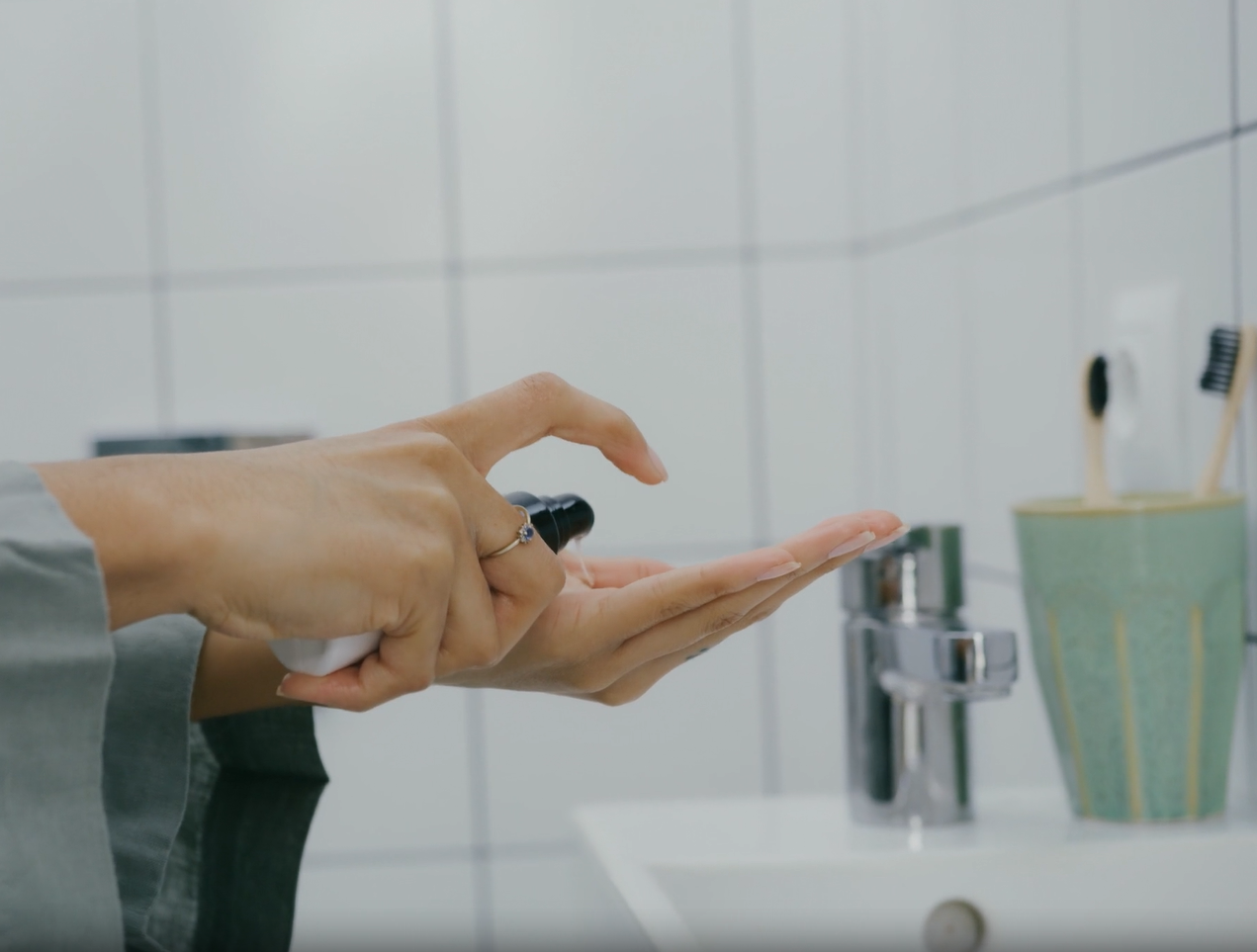
Engaging in a skincare routine can be a deeply therapeutic and rejuvenating experience, offering moments of relaxation and self-care amidst the chaos of daily life. Taking the time to cleanse, moisturize, and pamper the skin can serve as a form of mindfulness practice, allowing individuals to be present in the moment and cultivate a sense of inner calm. Furthermore, achieving healthy, glowing skin can boost self-confidence and self-esteem, fostering a positive body image and empowering individuals to present their best selves to the world.
"I’ve also never skipped hand and neck moisturiser which really makes a difference.
The part that is the most important to me is it makes me feel amazing when I’m doing it, whether it’s just moisturiser after a bath or putting on my nighttime regimen and taking that bit of time for myself." M., in her 40s
By incorporating skincare rituals into their daily lives, individuals can nurture not only their skin but also their mental and emotional well-being.
Conclusion
Skincare is not just about achieving a flawless complexion; it's about nurturing and respecting the body's largest organ. By prioritizing skincare, you invest in their long-term health and well-being, reaping benefits that extend beyond aesthetics. From protection against external threats to the promotion of mental wellness, skincare is a holistic practice that encompasses both physical and emotional aspects of self-care. In our modern times, where pollution and stressors are rampant, skincare has become essential for maintaining skin health and vitality.